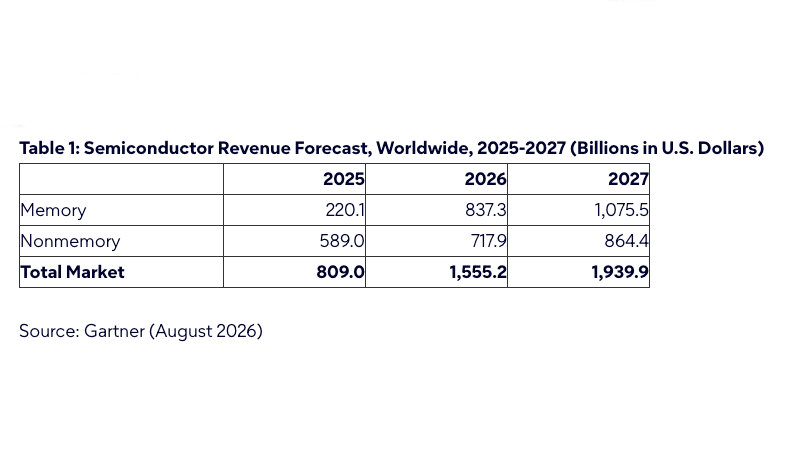
As the memory chip shortage is expected to persist through 2027, independent smartphone and laptop manufacturers are being forced to redesign products, screen incoming chips for counterfeit or substandard components, and pass higher costs on to consumers. The ongoing shortage is putting increasing pressure on the low-end device market.
Executives from three companies said that supply availability, rather than pricing, has become the key bottleneck limiting production.
Raymond van Eck, CEO of repairable smartphone manufacturer Fairphone, said: “If you cannot secure an allocation, you are out, regardless of the price.”
In July, the CEO of SK hynix said that, from a supply perspective, 2027 could be “the worst year in the industry's history,” with demand expected to continue exceeding available capacity through 2030 and beyond.
Market research firm Counterpoint Research forecast in June that global smartphone shipments would decline by 13.9% this year to 1.08 billion units, marking the largest annual decline on record. High memory chip costs are making it increasingly difficult for manufacturers to produce entry-level smartphones profitably.
TrendForce expects contract prices for conventional volatile memory (DRAM) to rise by 13% to 18% in the current quarter, following an increase of as much as 93% to 98% in the first quarter.
Finnish smartphone manufacturer Jolla, founded by former Nokia engineers, said prices for its combined memory and DRAM package components have remained elevated since reaching a peak at the end of March. This has differed from earlier expectations in the spring that prices could double by the autumn.
“We are certainly pleased with the current situation,” said Jolla CEO Sami Pienimäki, although he expects supply conditions to return to normal only in 2028.
Nirav Patel, CEO of U.S.-based repairable laptop manufacturer Framework, said the severity of the supply-demand imbalance became apparent toward the end of last year. This prompted “everyone to buy as much supply and inventory as quickly as possible,” further intensifying the shortage.
Unable to absorb the cost of building large inventories, Framework placed non-cancellable orders in advance, despite uncertainty over the final prices, delivery schedules, and quantities that would ultimately be available.
The developments highlight how the prolonged memory shortage is extending beyond component pricing and into product design, procurement strategies, production planning, and the economics of entry-level electronics.


Stay up to date with the latest in industry offers by subscribing us. Our newsletter is your key to receiving expert tips.