Driven by the continued growth of artificial intelligence, new energy vehicles, smart manufacturing, and other industries, the semiconductor industry is becoming increasingly globalized. From R&D and manufacturing to supply chains and markets, cross-regional collaboration across the industry is becoming increasingly interconnected. For companies operating in the semiconductor and electronics ecosystem, competition and growth opportunities are no longer limited to a single market, but are increasingly shaped by the global marketplace.
Internationalization is not simply about expanding into more countries and regions. It also means identifying opportunities for collaboration in a broader international environment, understanding the needs of different markets, and building stronger connections across the global industrial ecosystem. For companies operating within the electronics supply chain, face-to-face engagement with businesses from different markets has become an important way to gain first-hand insights into industry developments and explore international collaboration.
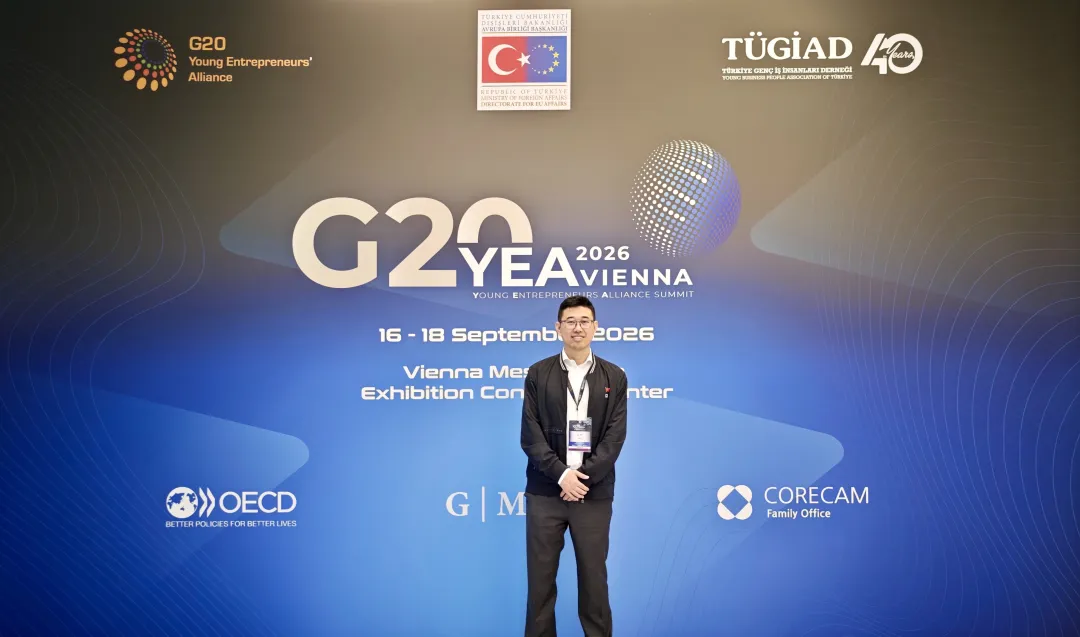
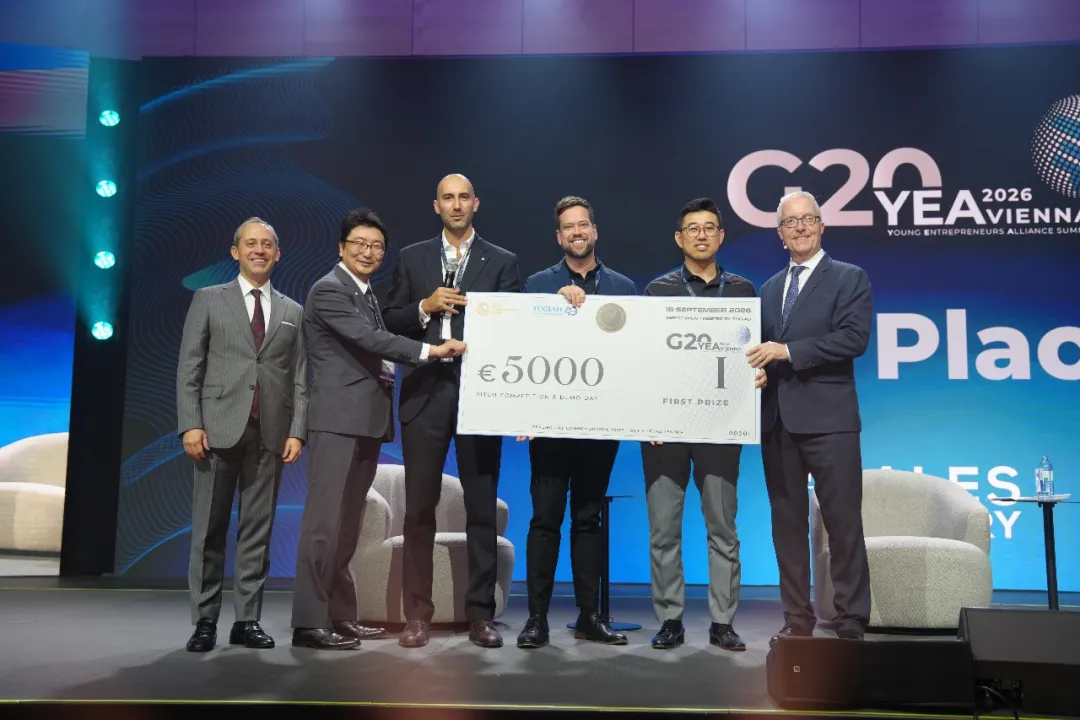
From September 16 to 18, the G20 YEA Summit 2026 was held in Vienna, Austria. As an international platform bringing together young entrepreneurs and business leaders from around the world, the summit provided opportunities to exchange perspectives, share experiences, and explore potential collaboration around global business, innovation, and international cooperation.
Norman, CEO of Flyking, was invited to participate in the summit, where he engaged with entrepreneurs from different markets and industries on topics including global business development and cross-border supply chain collaboration.
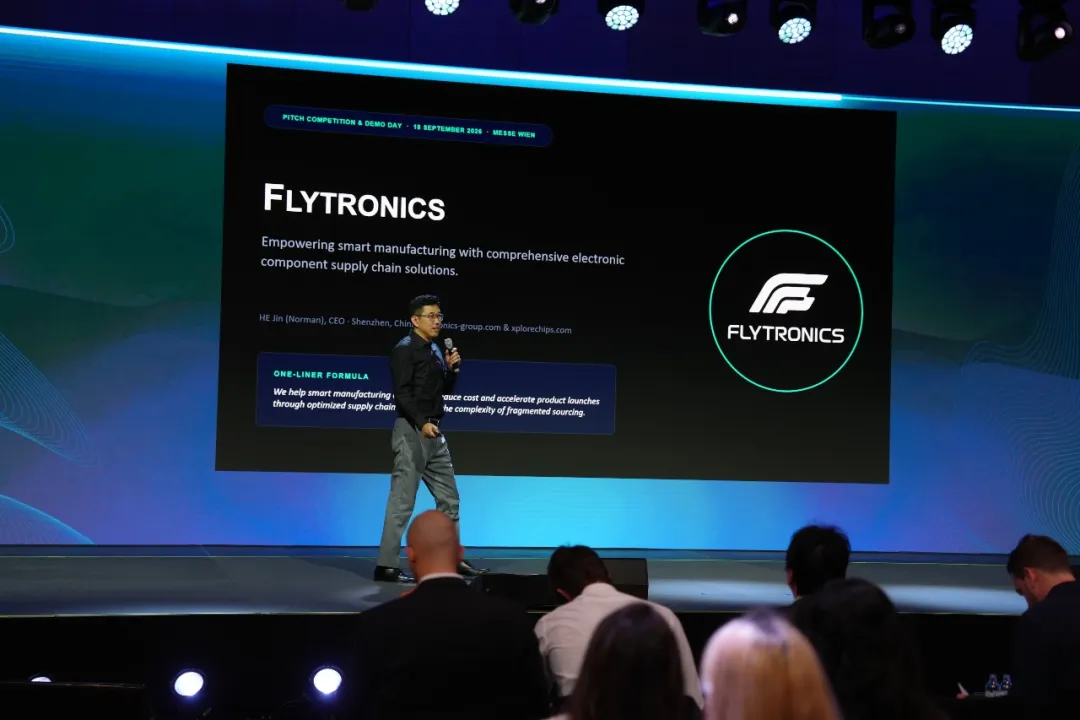
Drawing on Flyking’s experience in serving customers across the electronics industry, Norman shared the company’s approach to global supply chain development and customer service. At the same time, the summit provided an opportunity to gain a deeper understanding of the practical needs of international businesses in areas such as sourcing resources, procurement systems, and cross-regional business development.
Building Diverse Supply Chain Capabilities for Global Markets
As its international business continues to expand, Flyking has established a presence across Asia-Pacific, the Americas, and Europe, while continuously strengthening its regional service capabilities to provide localized support for customers in different markets.
In Europe, Flyking has established partnerships with 14 of the top 25 EMS/ODM companies, providing customers with flexible and comprehensive supply chain services.
During the summit, Norman highlighted three key service areas developed around customers’ real-world procurement requirements: Global Procurement, Domestic Alternatives, and Non-Standard & Customized Procurement.
Today, Flyking has built a global electronic components supply network supported by 5,000+ supply chain partners, 2,000+ semiconductor brands, and diversified sourcing channels. This enables flexible supply options ranging from direct sourcing from manufacturers to distributor collaboration and spot inventory resources.
For domestic alternatives, Flyking works with 60+ authorized domestic semiconductor distribution brands, providing alternative component selection, product matching, validation, and supply support across electronic components and electrical integration products.
For requirements beyond standard supply systems—including special specifications, structural components, mechanical parts, and customized components—Flyking leverages the supply chain and manufacturing resources of Esic Technology, covering 20,000+ qualified suppliers, 1,000+ preferred suppliers, and 46+ product categories to support non-standard sourcing and customized procurement.
Beyond presenting these capabilities, Norman also shared practical cases demonstrating how Flyking translates its resources and services into tangible customer value.
When a leading international company faced a supply disruption involving Nexperia products, Flyking coordinated with manufacturer resources to address the immediate supply gap, while also developing follow-up supply solutions through alternative sourcing and long-term supply planning.
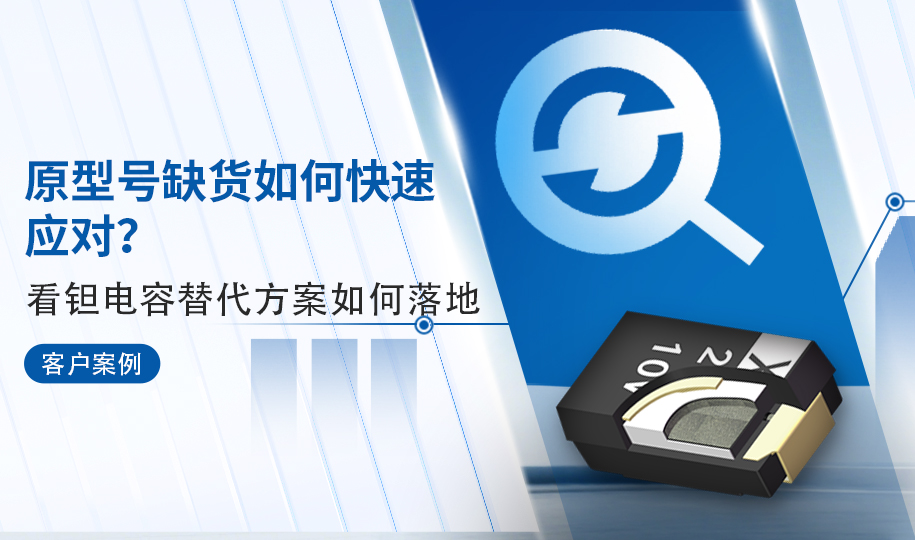
For an overseas EMS customer facing a shortage of AVX tantalum capacitors, Flyking provided an alternative solution that enabled the delivery of 70,000 units within four weeks, reduced procurement costs by approximately 37%, and eliminated the need for redesign.
In non-standard procurement projects, supplier matching and qualification helped customers reduce costs by 84% for thermostats, 87% for motors, and 23% for fan heaters.
From global resource integration and component alternatives to non-standard and customized procurement, Flyking’s objective is not simply to address an individual purchasing requirement, but to provide customers with greater flexibility across supply assurance, product selection, cost management, and delivery efficiency.
Insights into Emerging Global Supply Chain Needs
For Norman, the visit to Vienna was not only an opportunity for international business exchange, but also a chance to observe industry developments from a broader global perspective.
Through conversations with entrepreneurs and industry representatives from different markets, it became increasingly clear that as companies expand internationally, they are also reassessing their supply chain structures.
How diverse are their supply resources? How flexible are their procurement channels? Can products from different regions be matched quickly with market requirements? And when existing supply channels are disrupted, can alternative solutions be identified and implemented in time?
These questions are becoming increasingly relevant as companies expand their global operations. They also reinforce Flyking’s direction of continuously strengthening its international business capabilities.
For a supply chain service provider, globalization is not simply about extending business into more countries. It means developing the ability to connect resources and demand across regions—understanding the practical needs of international customers, keeping pace with the evolving capabilities of China’s electronics industry, and creating more efficient connections between the two.
From International Exchange to Continued Global Expansion
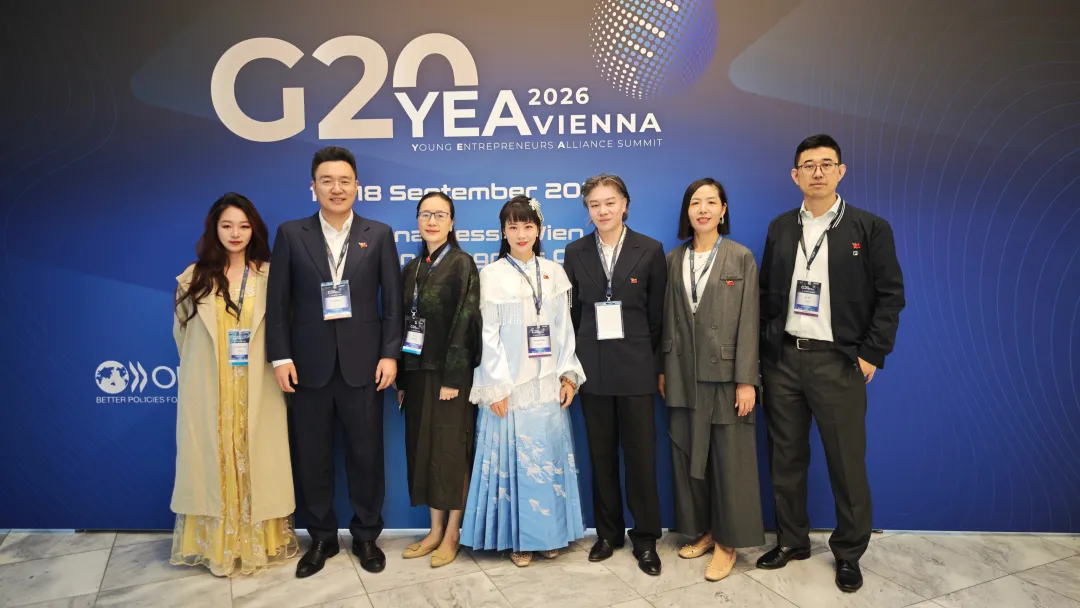
The G20 YEA Summit brought together entrepreneurs and business leaders from different countries and regions, providing a direct platform for companies to observe global markets and exchange experiences in international business development.
For Flyking, the Vienna trip was both an opportunity to share its business practices and a valuable opportunity to engage directly with companies from different markets.
Through continued international engagement, Flyking will further strengthen its focus on global customer needs, regional market developments, and evolving supply chain trends, while incorporating insights from the market into its business development and service capabilities.
As global industrial collaboration continues to deepen, Flyking will continue to use supply chains as a point of connection—exploring resources across international markets, understanding evolving customer needs, and building stronger partnerships.
Our goal is to create deeper connections between China’s electronics industry and global markets, while providing customers worldwide with more flexible and diversified sourcing options.


Stay up to date with the latest in industry offers by subscribing us. Our newsletter is your key to receiving expert tips.