Management is a critical driver of business growth and a key bridge connecting organizational goals with team development. As FLYKING continues to grow, higher expectations are placed on managers’ capabilities — not only to deliver business results, but also to develop talent, inspire teams, and enhance organizational effectiveness.
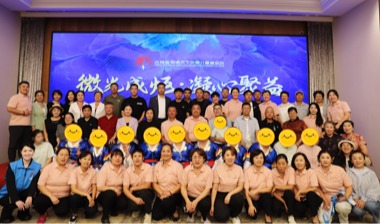
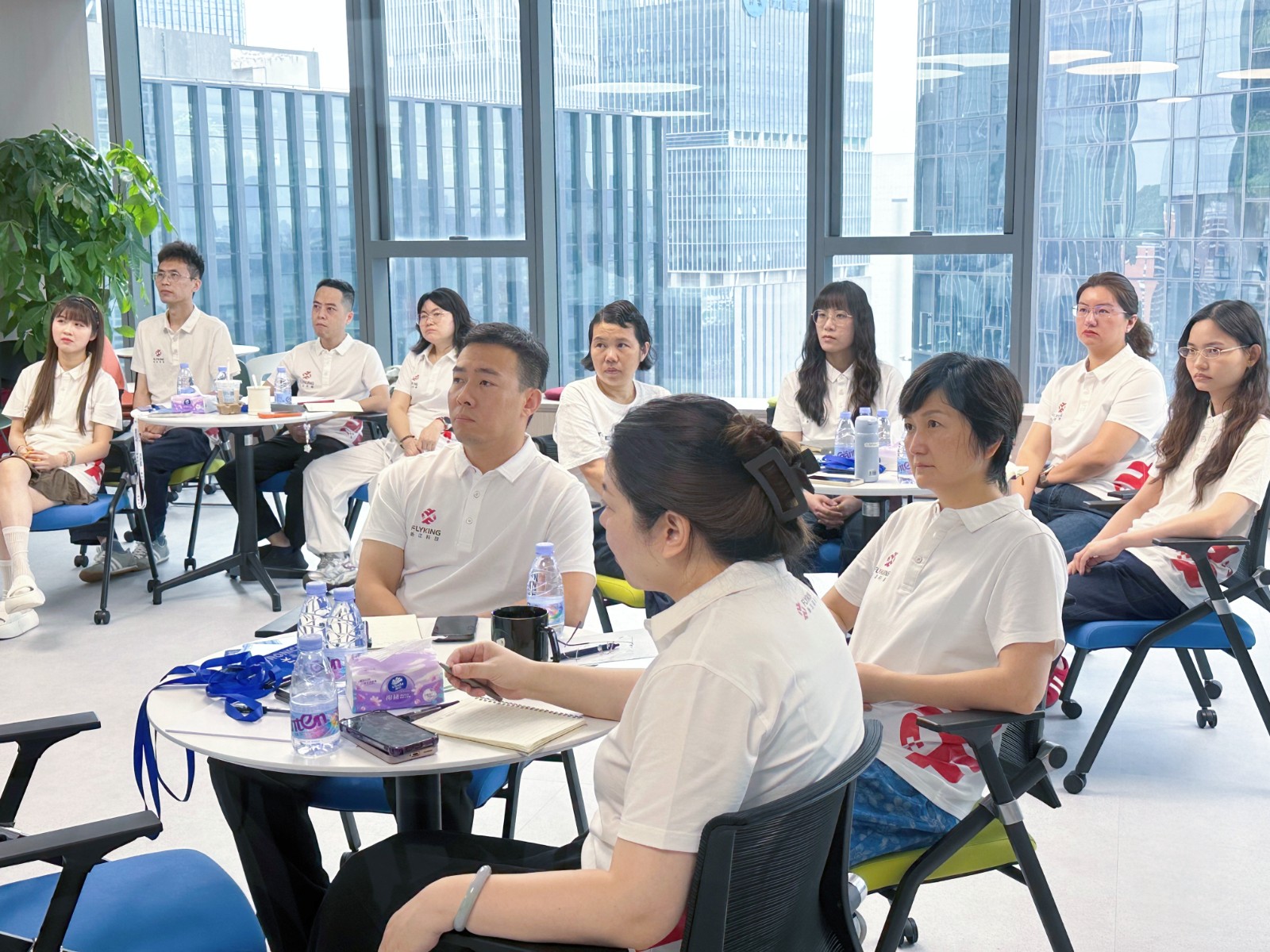
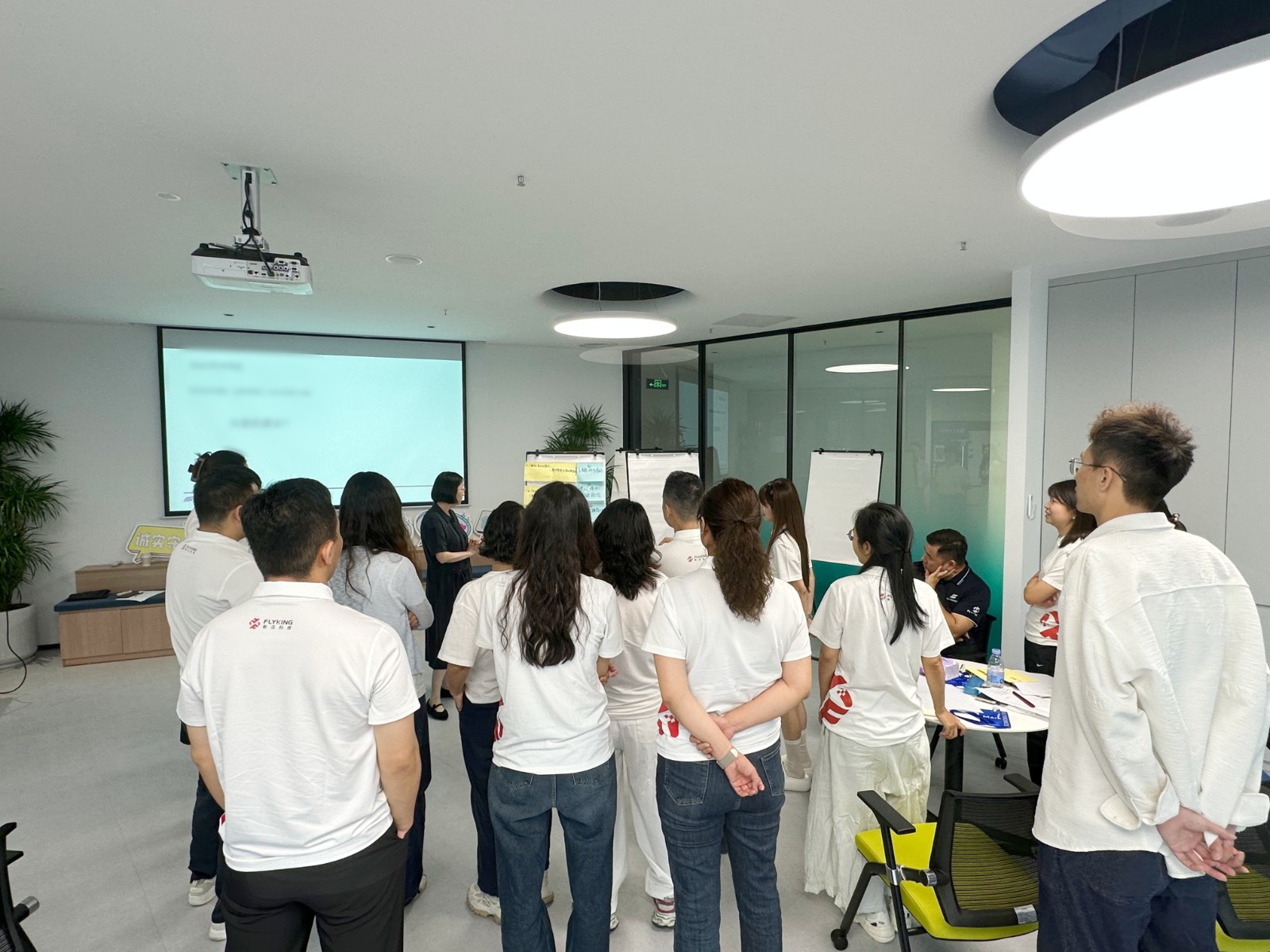
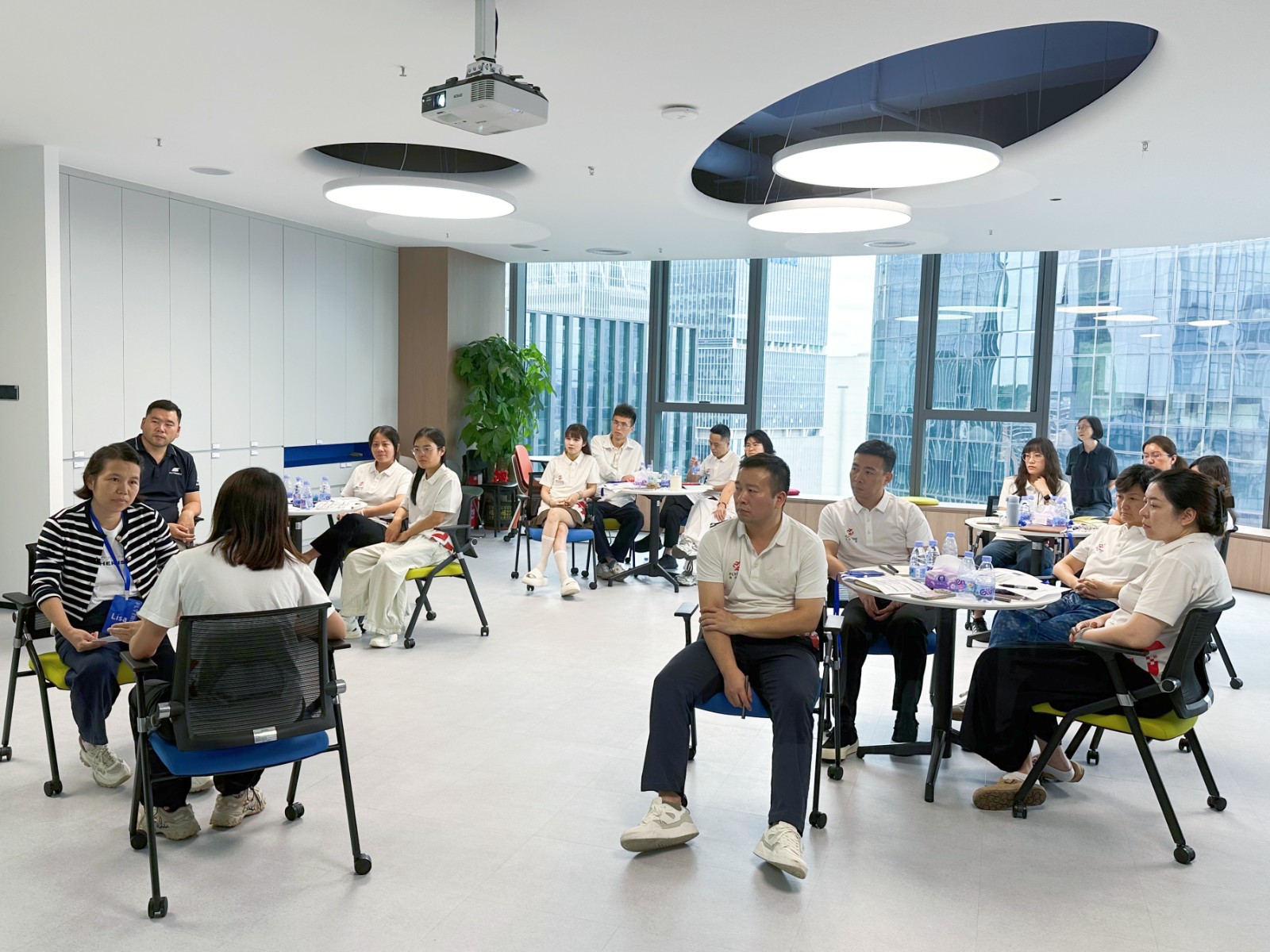
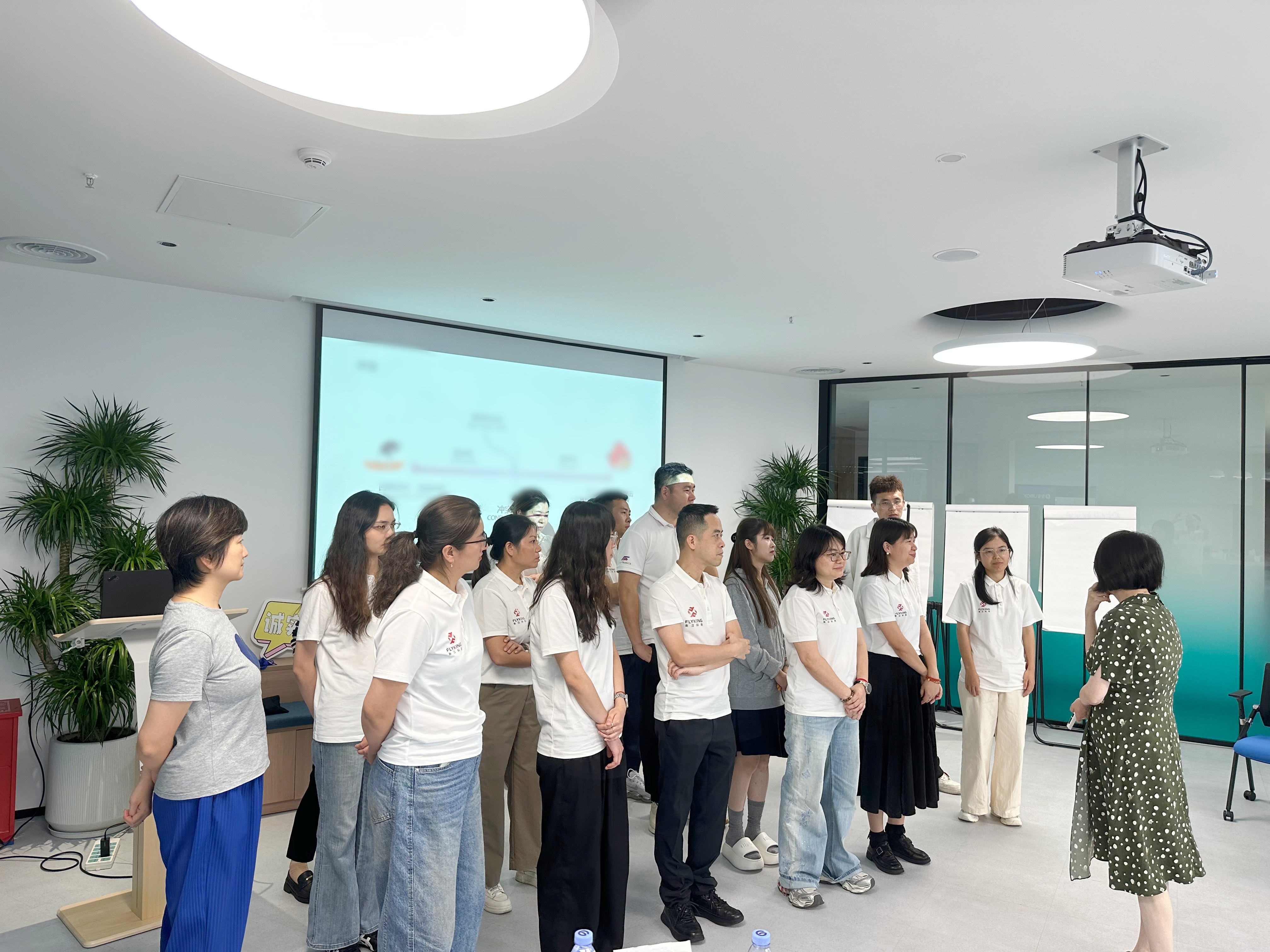
To further strengthen leadership capabilities and practical management skills, while promoting the sharing of management experience and organizational capability building, FLYKING launched the “Leading with Purpose, Managing with Impact” People Manager Training Program for nearly 50 middle-level managers and high-potential future leaders across its South China and East China regions.
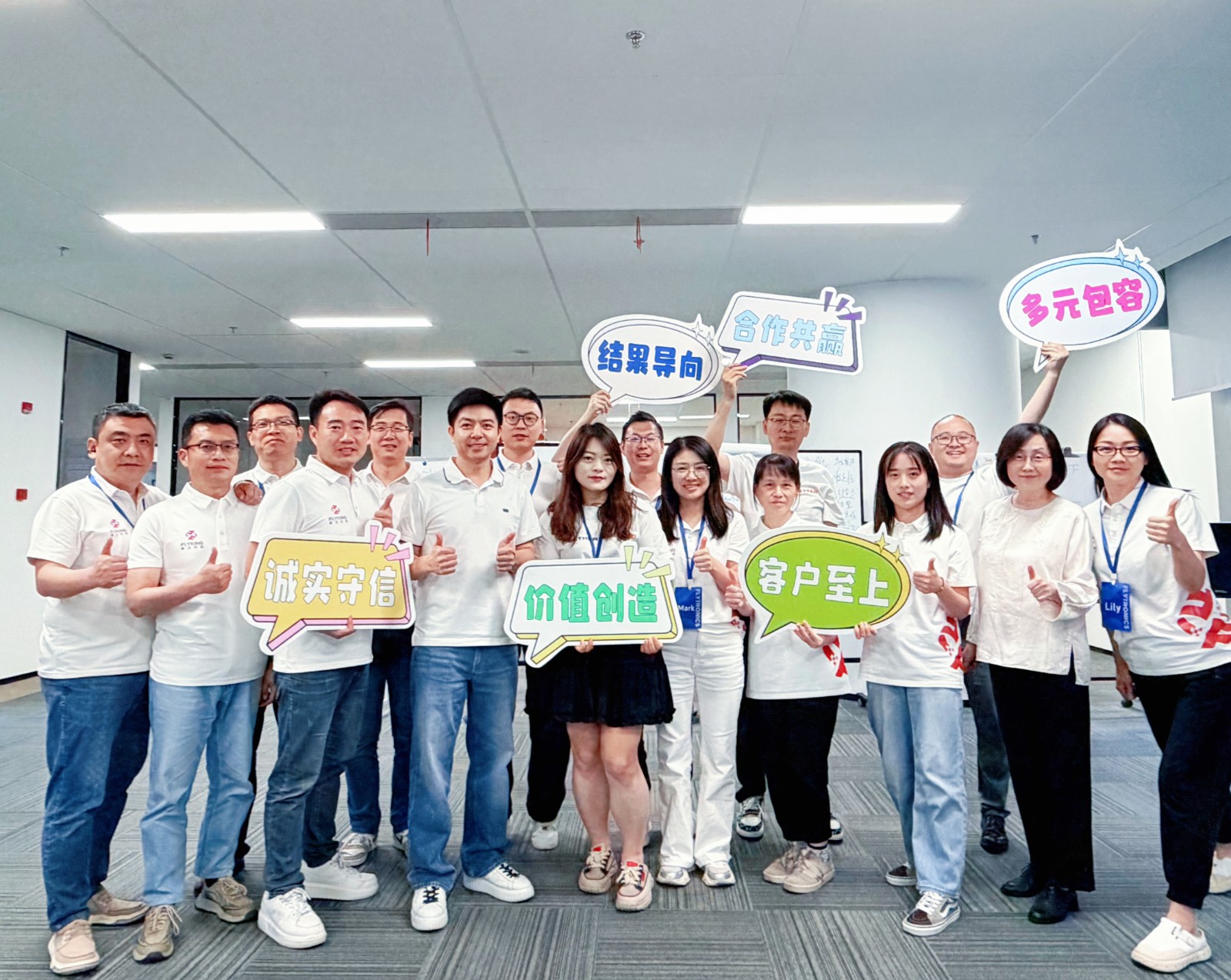
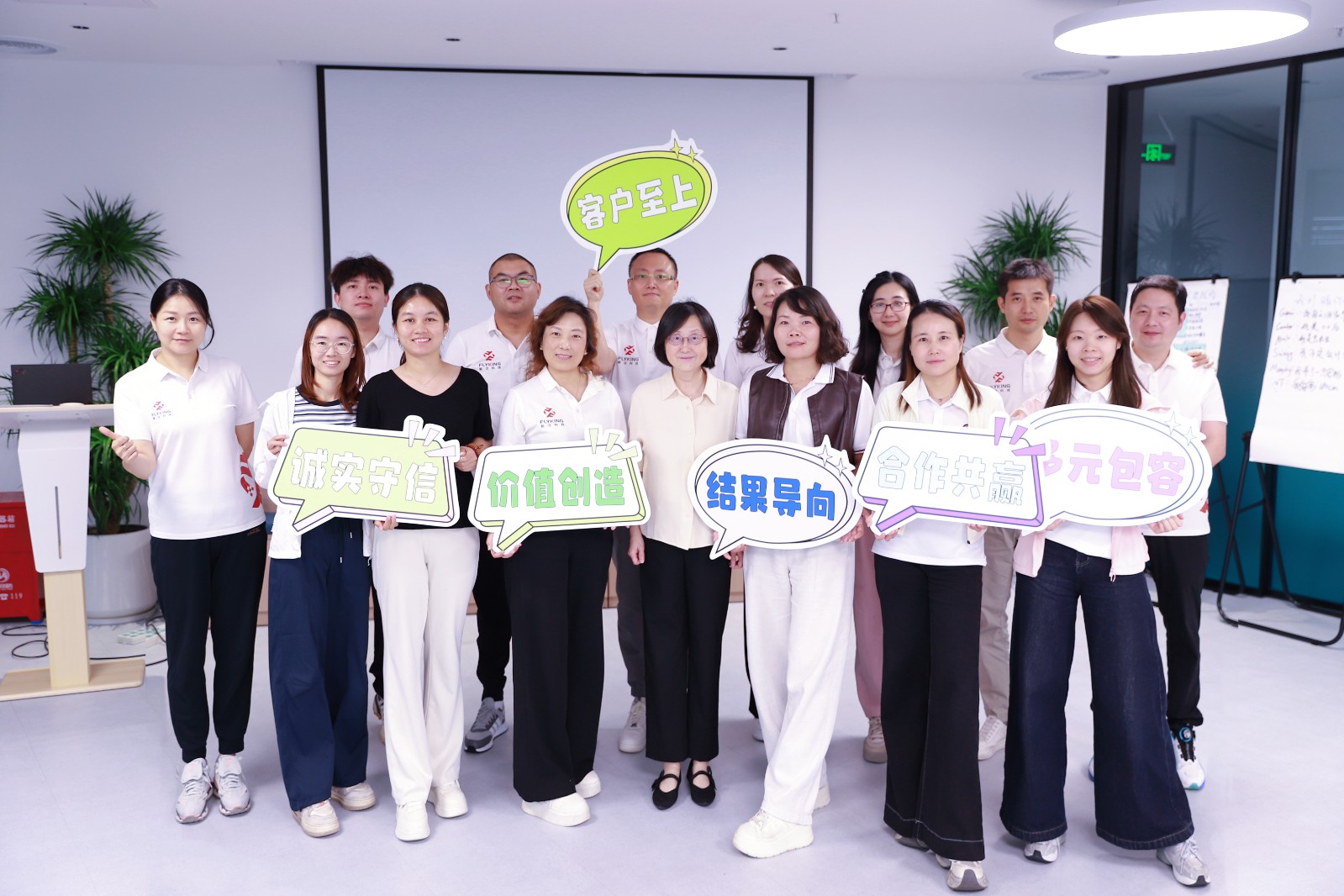
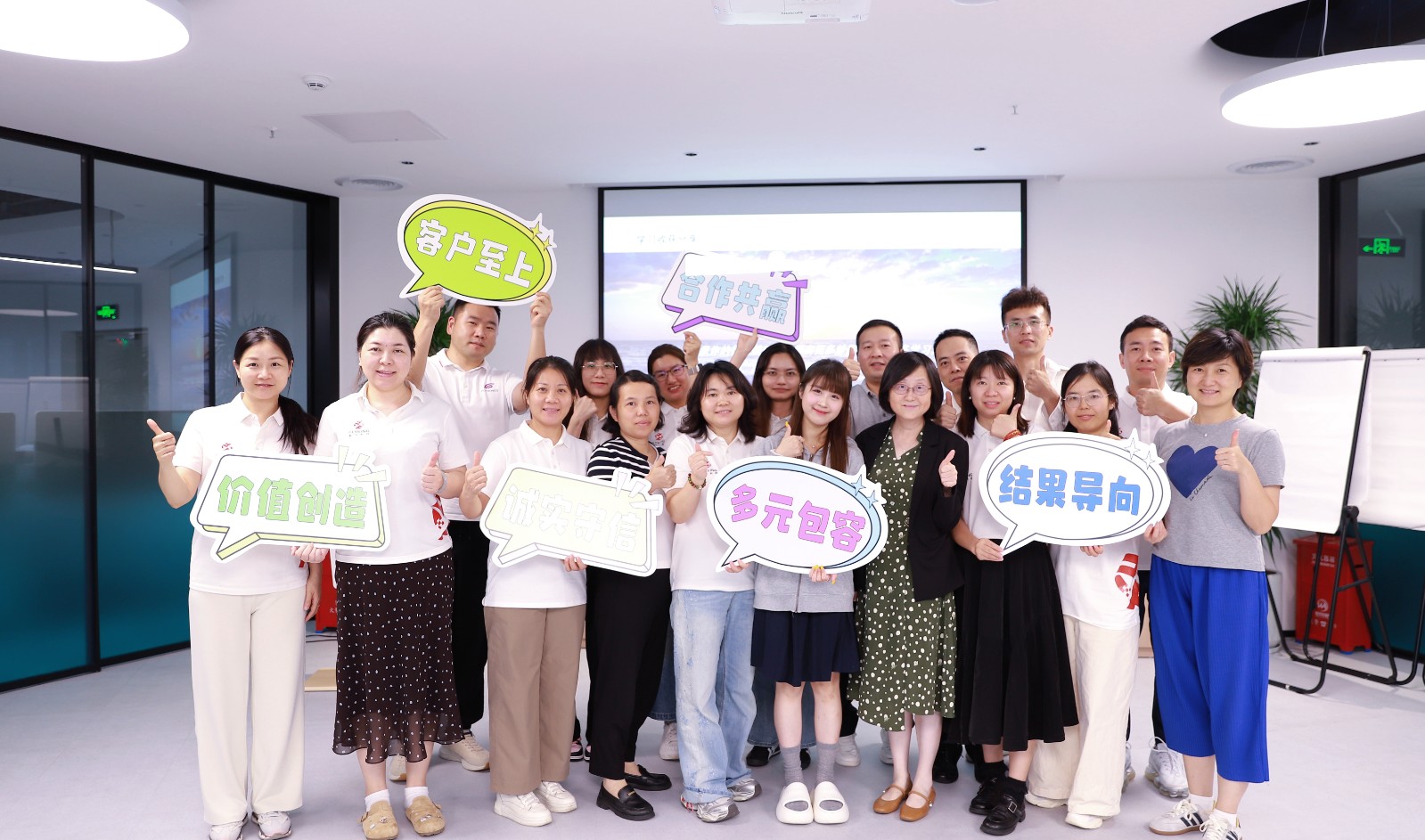
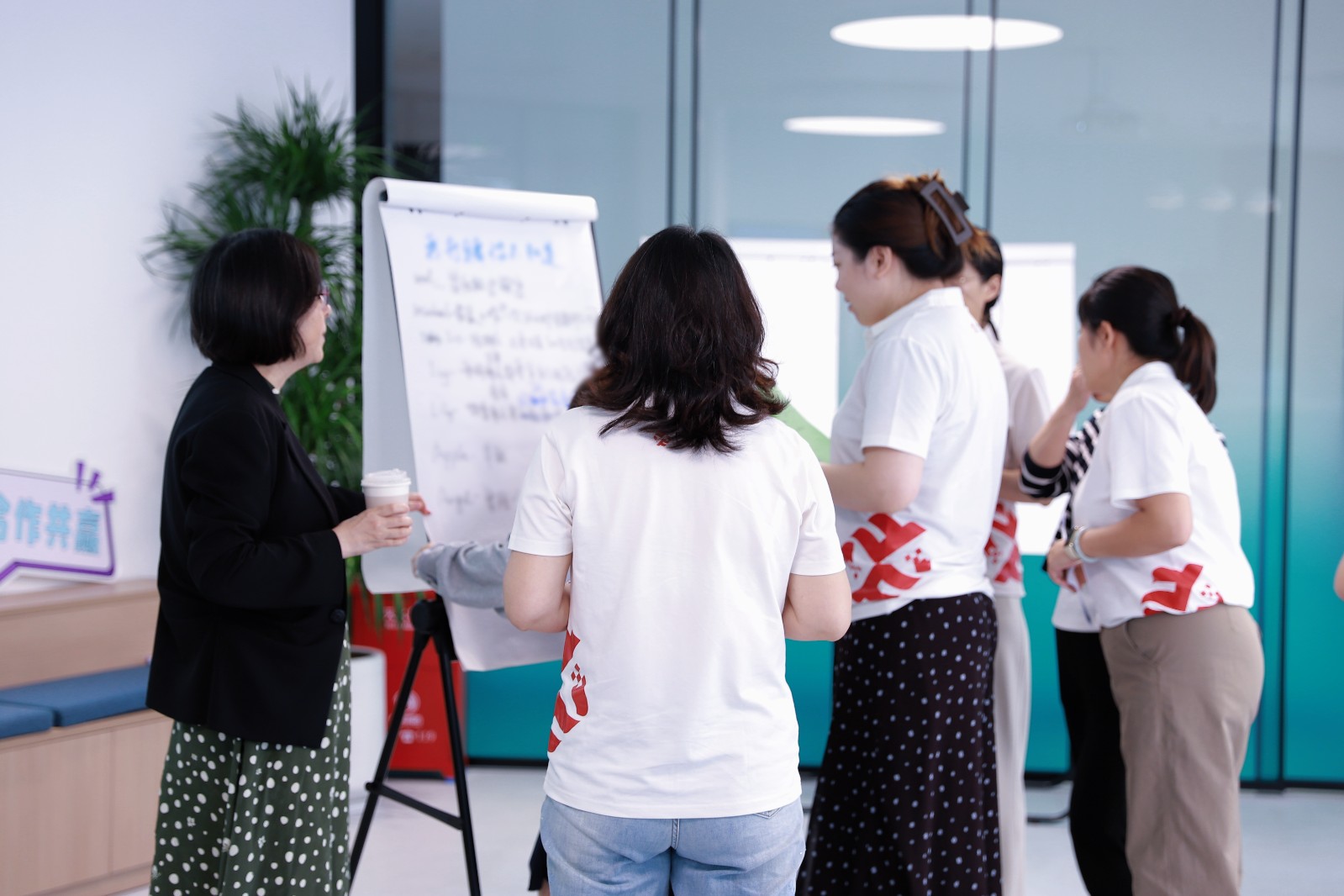
The program consisted of three structured training sessions, covering managers from different business units and functional teams. Focusing on key management scenarios such as team building, talent development, performance management, and cross-functional collaboration, the program combined theoretical learning, case studies, group discussions, scenario simulations, and role-playing exercises. These interactive approaches enabled participants to reflect on real management challenges, exchange experiences, and transform learned methodologies into practical management actions.
1、Building Management Excellence Through Practical Learning
The People Manager Training Program covered eight core management topics, spanning talent development, team leadership, performance improvement, and organizational growth, helping managers establish a more systematic and comprehensive management mindset.
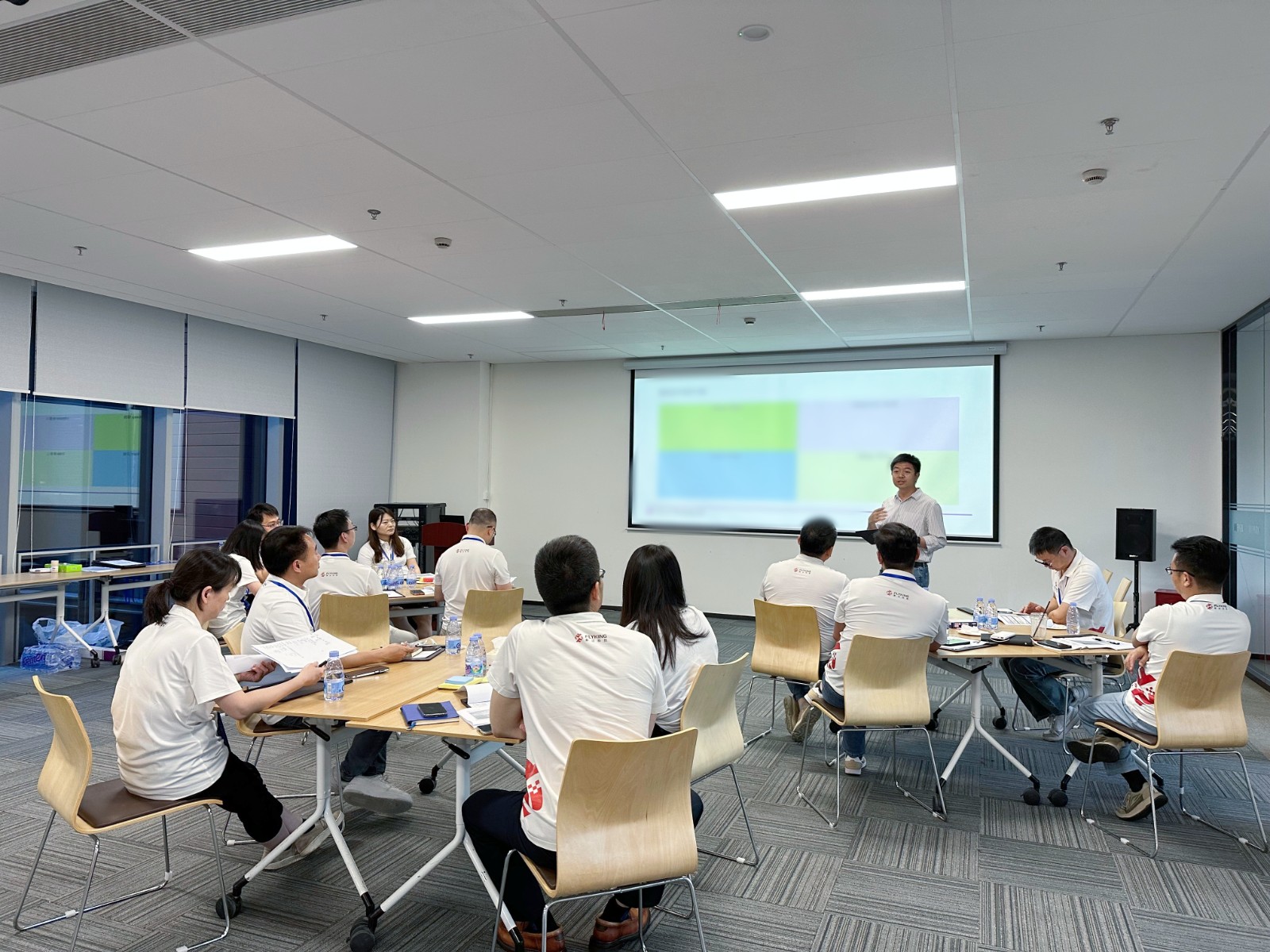
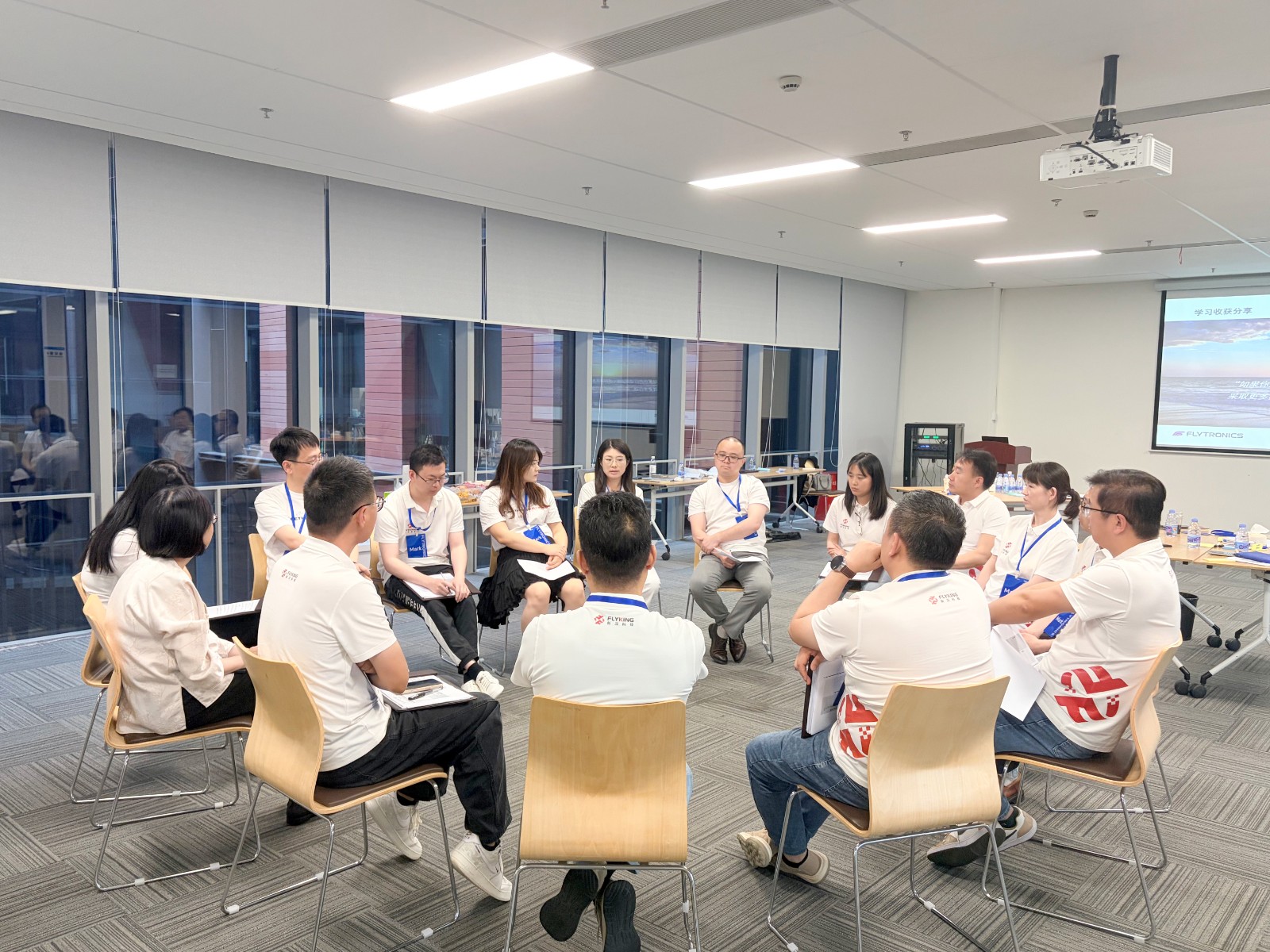
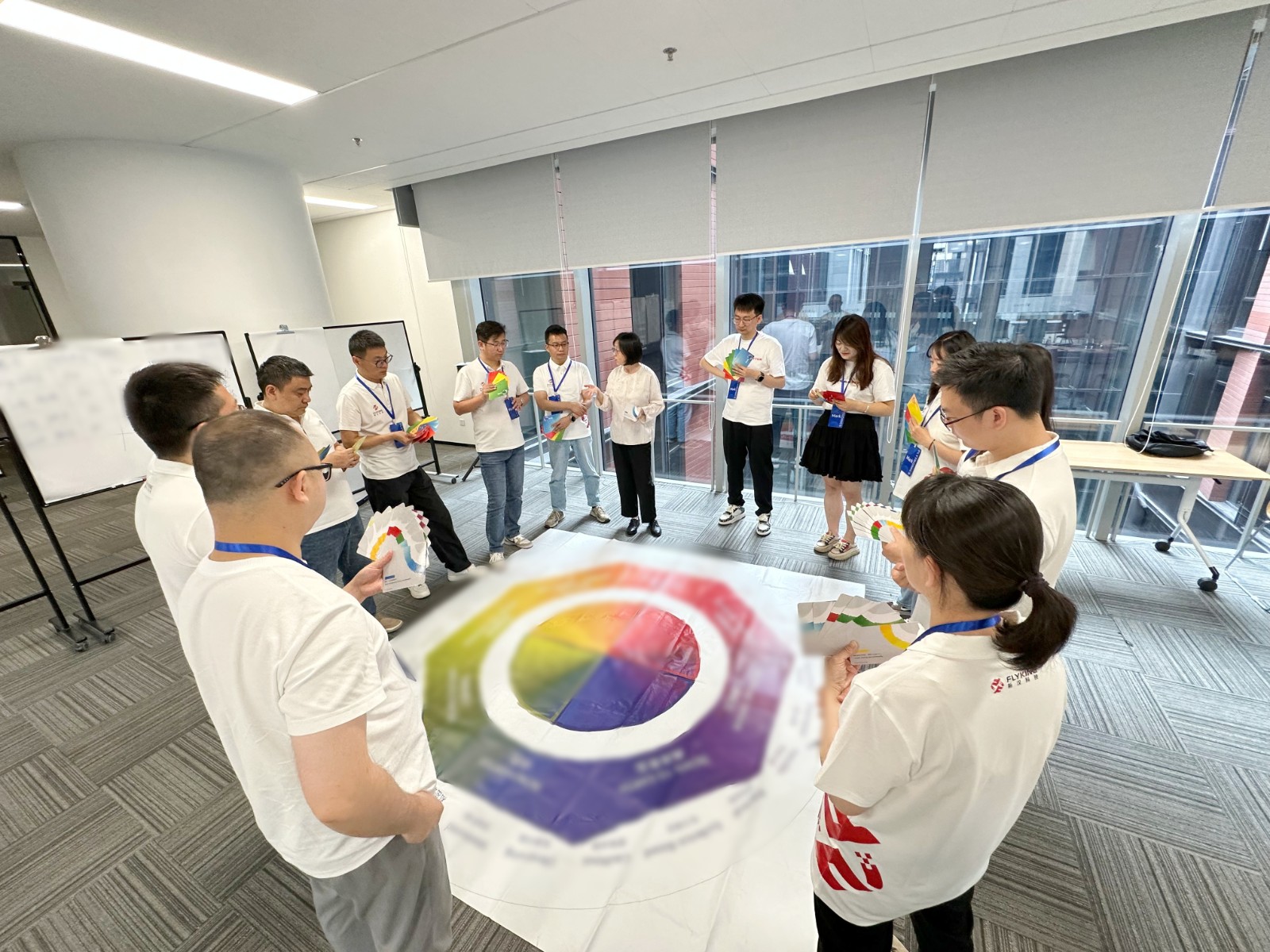
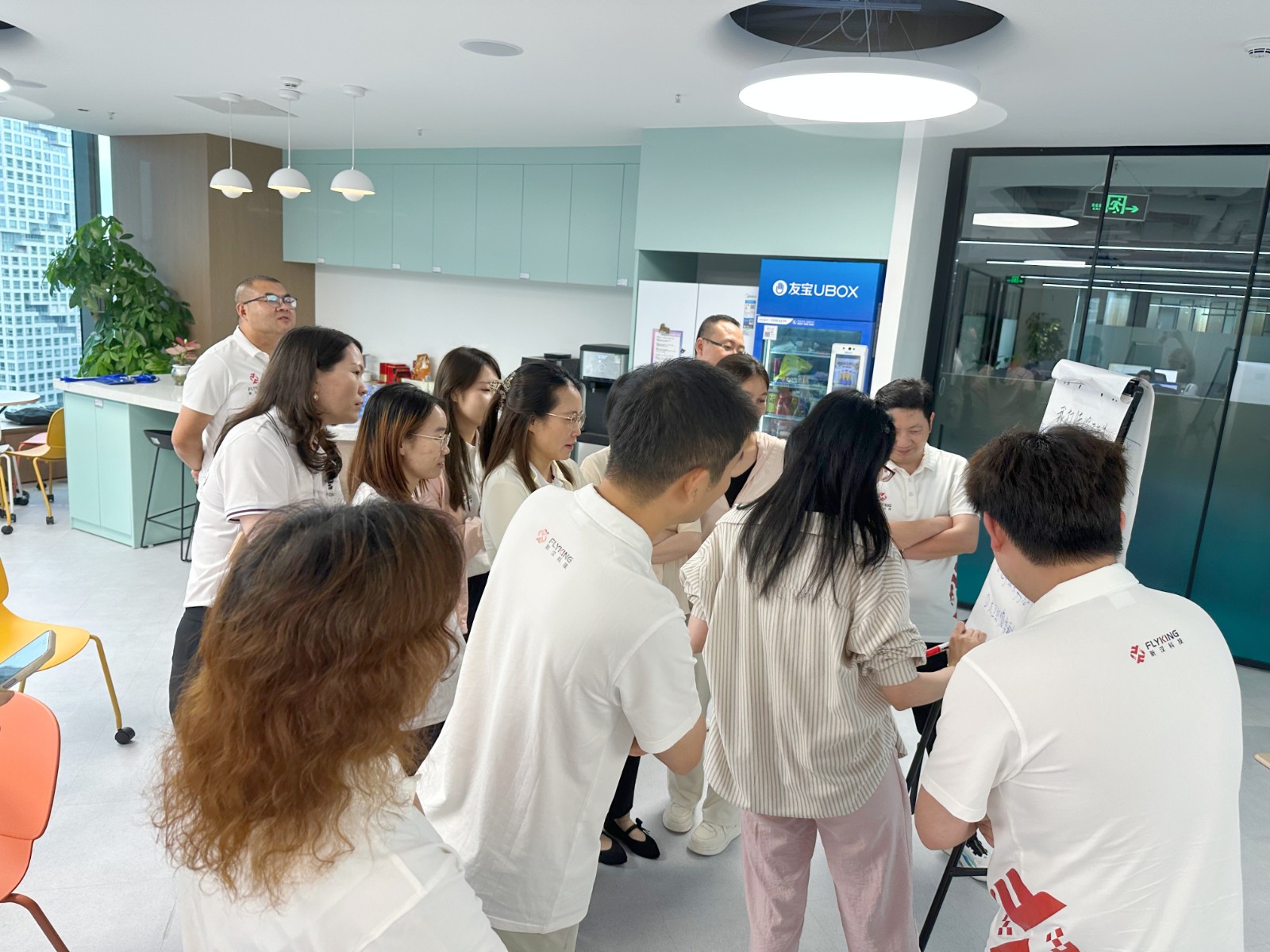
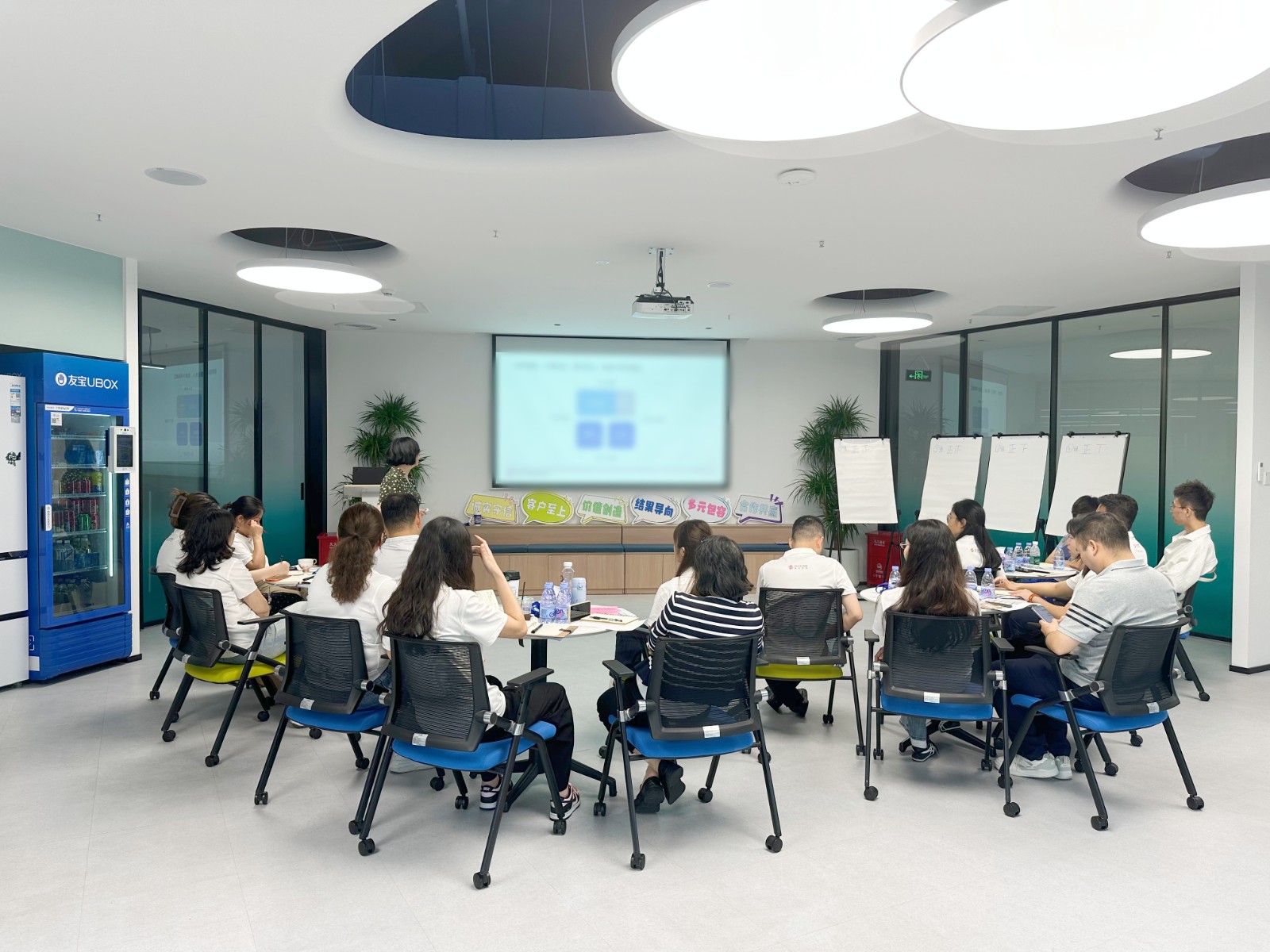
• Identifying Potential and Developing Talent
Talent development is one of the most important responsibilities of a manager. This module focused on identifying employee strengths, recognizing growth potential, and creating development pathways, helping managers build a long-term perspective on talent cultivation and better understand employees’ growth needs at different stages.
• Employee Motivation Strategies
Different employees have different personalities, working styles, and development expectations. Through practical management scenarios, the training guided managers to explore differentiated communication approaches and motivation strategies, enhancing team engagement and cohesion.
• Core Principles of Performance Management
Performance management is not only about evaluating results, but also about driving goal achievement and supporting employee growth. This module focused on the fundamentals and implementation methods of performance management, helping managers better understand the connection between goal setting, ongoing coaching, performance feedback, and continuous improvement.
• Team Collaboration and Conflict Management
Effective teams rely on strong communication and collaboration. Through scenario-based exercises, participants learned to identify communication barriers and sources of conflict, manage different perspectives, resolve team disagreements, and improve overall collaboration efficiency.
• New Employee Onboarding and Probation Management
The successful integration and development of new employees are essential to team growth. This module explored onboarding processes, role alignment, and probation management, helping managers establish a structured approach to supporting new employees and improving talent development effectiveness.
• Strategies for Talent Retention
Long-term employee development depends on a supportive management environment. The training explored key factors influencing employee retention, including career development, team culture, communication mechanisms, and growth opportunities — shifting the focus from simply retaining talent to maximizing employee potential.
• Recruitment Strategies and Interview Skills
Identifying the right talent is fundamental to building strong teams. Through interview case studies and experience sharing, managers learned structured interview techniques and improved their ability to evaluate candidates, providing stronger support for sustainable team development.
• Fundamentals of Labor Law Compliance
Effective management requires both team development and compliance awareness. This module introduced key principles of labor relationship management, helping managers better understand relevant legal requirements and strengthen standardized management practices.
Through three rounds of intensive training, nearly 50 participants engaged in deep discussions around real management challenges. They not only gained practical management tools and methodologies but also developed a deeper understanding of how to lead teams, nurture talent, and support continuous growth.
2、Empowering Growth Through Stronger Management
Building management capabilities is fundamental to sustainable organizational development. Outstanding managers are not only drivers of business performance, but also mentors who inspire team growth and ambassadors who reinforce organizational culture.
FLYKING has always placed strong emphasis on talent development and organizational capability building. Through continuous improvement of its training ecosystem, FLYKING provides employees with diverse growth opportunities, encourages knowledge sharing, and supports continuous capability enhancement across the organization.
Looking ahead, FLYKING will continue to invest in targeted learning and development initiatives, empowering managers to further strengthen their leadership capabilities and management expertise. By building more agile, collaborative, and continuously evolving teams, FLYKING is committed to creating lasting value and driving sustainable business growth.


Stay up to date with the latest in industry offers by subscribing us. Our newsletter is your key to receiving expert tips.